
Andy Warhol
Andy Warhol was one of the defining artists of the twentieth century, transforming the imagery of advertising, consumer goods and celebrity into a new language of art. A leading figure of American Pop Art, he explored how images acquire meaning through repetition, colour and their circulation in everyday life.
Born in Pittsburgh in 1928, Warhol began his career as a commercial illustrator before achieving recognition for his paintings of Campbell’s soup cans and portraits of Marilyn Monroe. His adoption of screenprinting became central to a practice that questioned originality, authorship and the relationship between art and mass production.
Alongside painting and printmaking, Warhol worked in film, photography and publishing, bringing different creative worlds together around his New York studio, the Factory. His distinctive combination of bold colour, familiar imagery and cool detachment reshaped contemporary art, leaving an enduring influence on the ways artists examine fame, commerce and modern visual culture today.
Available Artworks
Andy Warhol: Life and Work
Early Life and Commercial Beginnings
Born Andrew Warhola in Pittsburgh, Pennsylvania, in 1928, Andy Warhol was the son of immigrants from the region now known as Slovakia. He studied pictorial design at the Carnegie Institute of Technology, graduating in 1949 before moving to New York.
During the 1950s, he established a successful career as a commercial illustrator. His drawings for fashion and advertising combined a delicate, expressive line with a strong understanding of how images attract attention. This experience provided a foundation for his later exploration of brands, packaging and publicity.
Pop Art and Everyday Images
In the early 1960s, Warhol began making paintings drawn from advertisements, comics and consumer products. His Campbell’s Soup Cans of 1962 brought the familiar appearance of supermarket goods into the gallery, challenging expectations about which subjects deserved artistic attention.
Repetition became a defining feature of his work. Presenting similar images in sequences or grids echoed the experience of encountering products on shelves and photographs across the media. Small differences between repeated images also invited closer looking, revealing variation within apparent uniformity.
Warhol’s approach left room for competing interpretations. His paintings could suggest fascination with consumer culture while also exposing its relentless repetition. That ambiguity remains central to their appeal.
Celebrity, Glamour and Mortality
Warhol applied a similar approach to famous faces. Marilyn Monroe, Elvis Presley and Elizabeth Taylor became subjects through which he examined the transformation of individuals into public images.
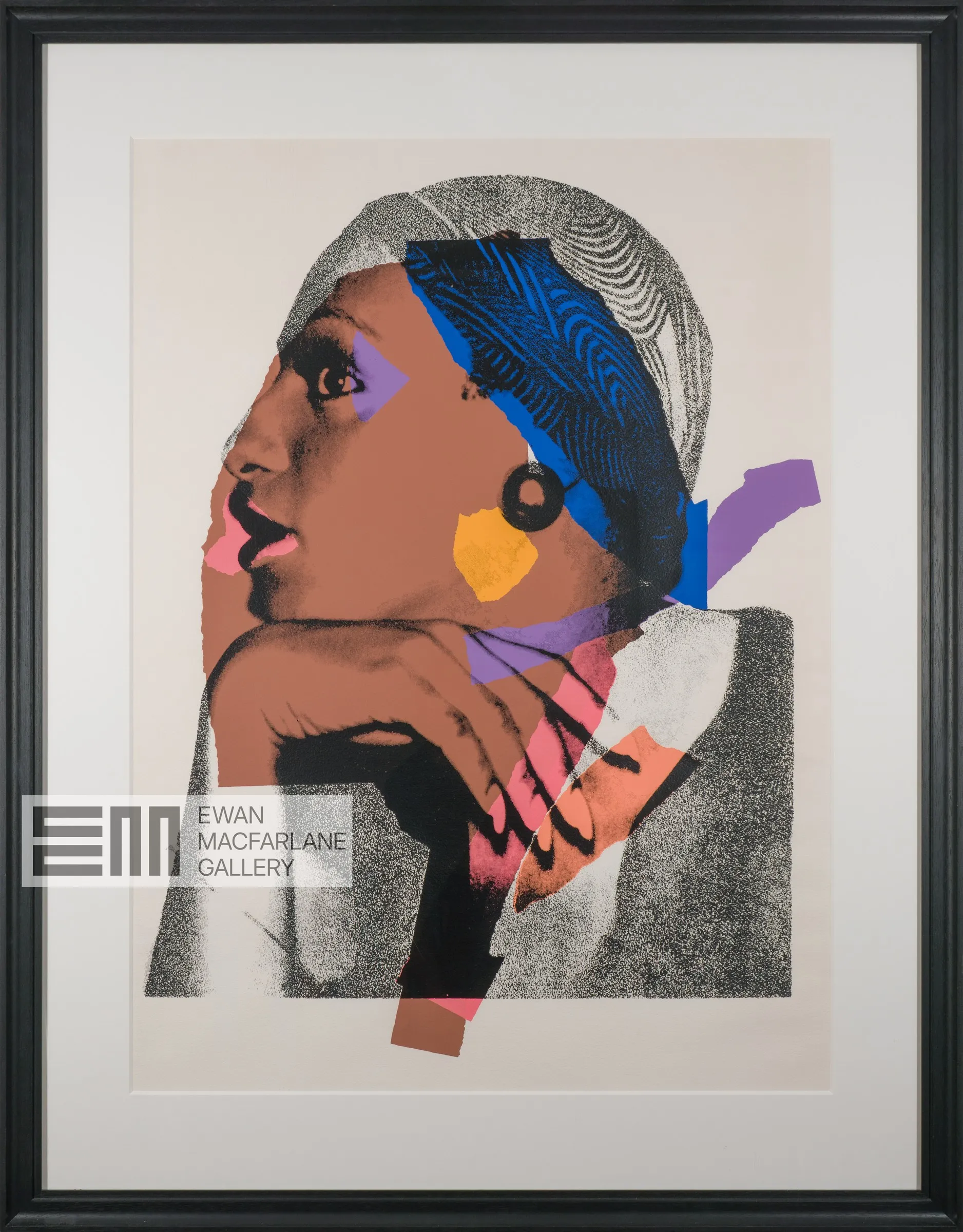
Using photographs already in circulation, he emphasised recognisable features through cropping, heightened colour and repetition. These portraits can appear immediately glamorous, yet their repeated faces also suggest distance between the person and the image consumed by an audience.
A darker examination of media imagery emerged in his Death and Disaster paintings. Based on photographs of crashes and other disturbing subjects, these works raise questions about how repeated exposure changes our response to suffering. Glamour and mortality occupy neighbouring places in Warhol’s art.
Screenprinting and the Printed Image
Warhol adopted photographic screenprinting in 1962. The process allowed him to transfer existing images onto canvas or paper and repeat them in different arrangements and colours.
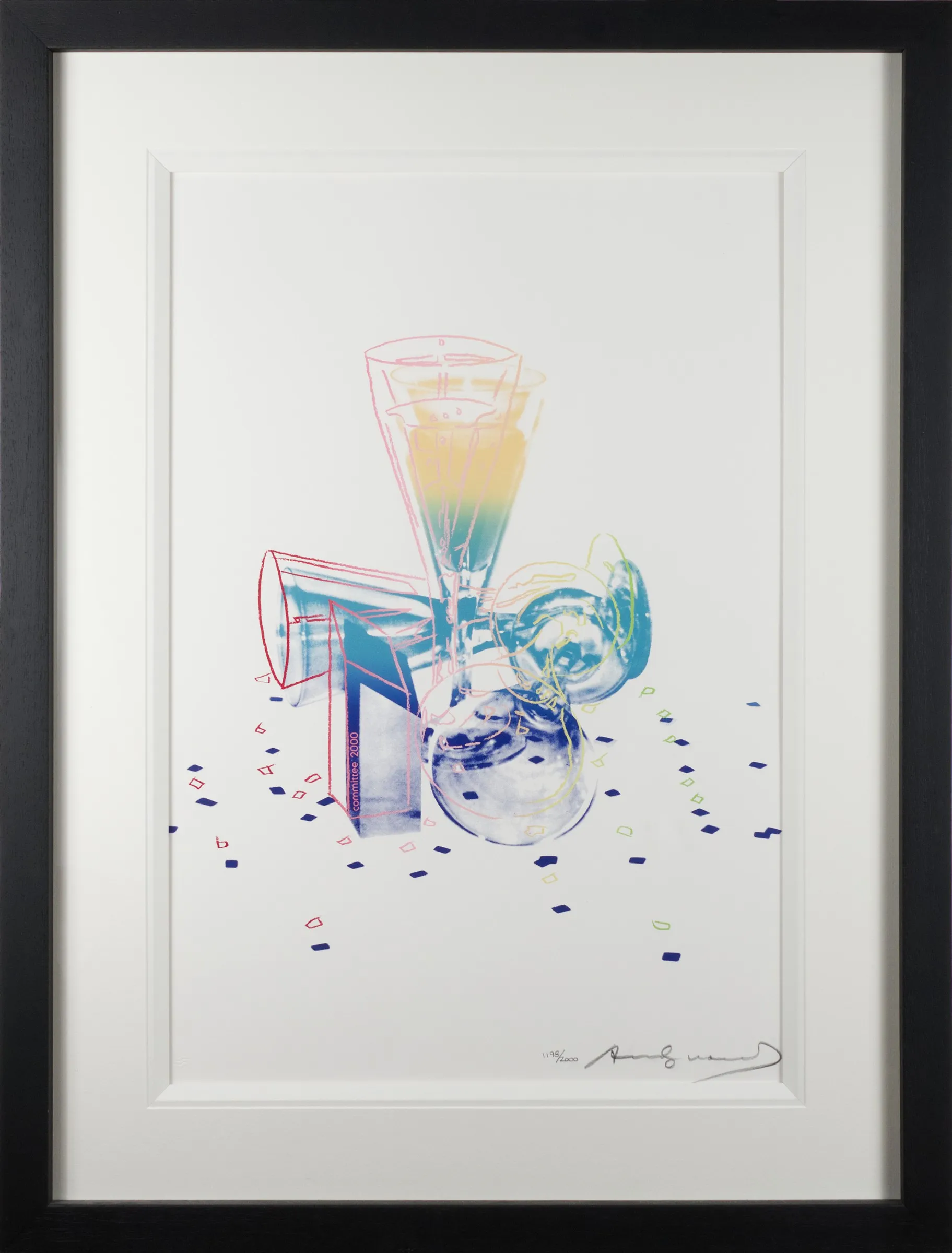
Its attraction lay partly in the tension between mechanical reproduction and physical variation. Uneven ink, interrupted detail and shifts in alignment could make each impression feel distinct, even when the underlying image remained the same.
His Marilyn Monroe portfolio of 1967 demonstrates the expressive possibilities of this approach. Across ten screenprints, a single publicity photograph changes character through contrasting colour combinations. Printmaking became a central means of exploring how presentation can alter our experience of an image.
The Factory and Moving Images
Warhol’s New York studio, known as the Factory, became a meeting place for artists, performers and musicians. Collaboration extended his practice beyond the production of individual paintings.
His films challenged conventional ideas about narrative and duration. The Screen Tests, filmed between 1964 and 1966, turned the camera towards visitors to his studio, allowing small gestures and expressions to become the focus of attention.
Through these moving portraits, Warhol approached a question also present in his paintings: what happens when a person becomes an image to be watched?
Later Work and Legacy
In his later career, Warhol continued to explore portraiture, revisiting the relationship between identity, visibility and fame. His practice also encompassed abstraction, religious imagery and collaborations with younger artists, including Jean-Michel Basquiat.
Warhol died in New York in 1987. Across painting, prints, film and photography, he changed the relationship between art and the images surrounding it. His work continues to offer a compelling way of looking at a world shaped by publicity, consumption and the desire to be seen.
Enquiries
For more information about Andy Warhol’s work and available artworks, please contact the gallery.